
Top-Rated Foundation Repair Products For Homeowners
Identify high-performance repair solutions designed to stabilize and protect your home’s foundation against future damage.
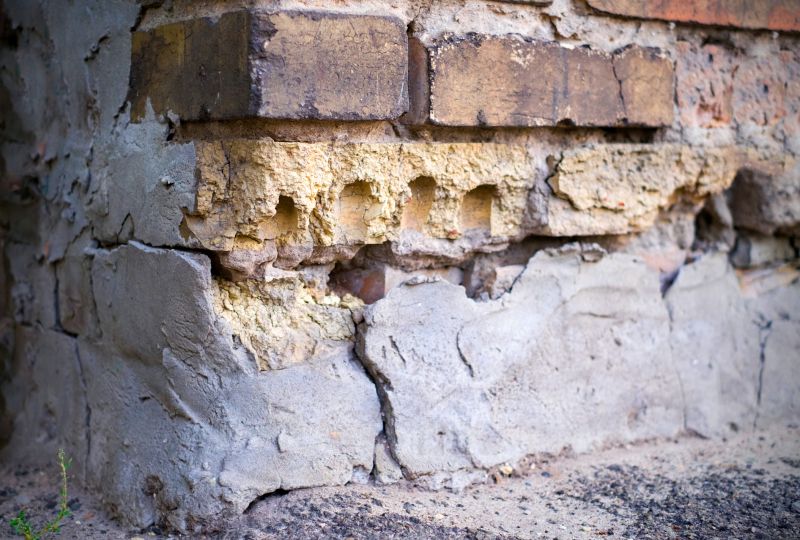 Foundation repairs are essential for maintaining the structural integrity and safety of a building. In Clearwater, FL, where soil conditions and moisture levels can vary, selecting the right products for foundation stabilization is crucial. A variety of tools and materials are available to address different types of foundation issues, from minor cracks to significant settling or shifting. Understanding the purpose of each product type helps homeowners and contractors choose solutions that best fit their specific needs.
Top Overall Option
Polyurethane Foam Injection System
Polyurethane foam injection systems are versatile and effective for addressing foundation cracks and minor settling issues. They work by expanding within cracks or voids to provide stabilization and seal leaks, often with minimal disruption to the property. This method is suitable for both residential and commercial applications and can be used in conjunction with other repair techniques. Its ease of application and quick curing time make it a popular choice among professionals for targeted foundation stabilization.
Types of Products For Foundation Repairs
Epoxy Injection Kits
Designed for sealing cracks and restoring structural integrity, epoxy injection kits are commonly used for small to medium cracks in concrete foundations.
Underpinning Piers
Underpinning piers provide support beneath a sinking foundation, helping to lift and stabilize the structure.
Hydraulic Lifting Jacks
Hydraulic jacks are used to lift and level uneven foundations or slabs, often as part of a comprehensive repair plan.
Polyurethane Foam Injection
This method involves injecting expanding foam into voids or cracks to stabilize and seal the foundation.
Drainage and Waterproofing Systems
These products help manage moisture and prevent water intrusion that can weaken foundation walls.
Soil Stabilization Grouts
Used to improve soil bearing capacity and reduce settlement issues, these grouts are injected into problematic soil areas.
Steel Push Piers
Steel push piers are driven into stable soil layers beneath the foundation to provide long-term support.
Helical Piers
Helical piers are screwed into the ground to support and stabilize foundations, especially in variable soil conditions.
Carbon Fiber Reinforcement
Applied to cracked walls, carbon fiber strips reinforce the structure and prevent further cracking.
Concrete Patching Materials
Used to repair surface cracks and surface deterioration, these materials restore the appearance and durability of concrete surfaces.
Grout and Mudjacking Equipment
This technique involves injecting a slurry beneath slabs to lift and level sunken concrete surfaces.
Drainage Pipes and Systems
Proper drainage systems help divert water away from foundations, reducing hydrostatic pressure and potential damage.
Vapor Barriers and Moisture Barriers
These barriers prevent moisture infiltration that can weaken foundation walls and cause mold growth.
Soil Moisture Control Products
Products like soil moisture meters and irrigation systems help maintain optimal soil conditions around the foundation.
Popular Choices
Widely used for crack sealing and minor repairs, epoxy injection kits are favored for their ease of use and effectiveness.
Commonly employed for leveling uneven slabs and foundations, hydraulic jacks are a staple in many repair projects.
Popular for quick stabilization of voids and cracks, foam injection is a flexible repair method.
A preferred choice for long-term support, steel push piers are used in many foundation stabilization scenarios.
Helical piers are often selected for their ability to adapt to various soil conditions and provide reliable support.
Effective for reinforcing cracked walls, carbon fiber strips are increasingly popular for structural reinforcement.
Proper drainage solutions remain a top choice for preventing future foundation issues caused by water intrusion.
Waterproofing membranes are frequently used in conjunction with other repairs to protect foundations from moisture.
Mudjacking remains a common method for lifting and leveling sunken concrete slabs.
Surface crack repair with patching materials is a frequent maintenance approach for concrete foundations.
These products are trending for their ability to improve soil conditions and reduce settlement risks.
Vapor barriers are often chosen for their role in controlling moisture and protecting foundation walls.
Common foundation repair products include epoxy injections for sealing cracks, underpinning systems to stabilize sinking foundations, and hydraulic jacks for lifting and leveling. Additionally, moisture control products such as waterproofing membranes and drainage systems are often used in conjunction with structural repairs to prevent future issues. Proper assessment of the foundation condition is vital before selecting any repair products, and consulting with a foundation specialist can help determine the most appropriate solutions.
Investing in quality foundation repair products can help extend the lifespan of a structure and improve safety. While DIY options exist, professional-grade products are typically recommended for lasting results, especially for more severe issues. Regular inspections and timely repairs can mitigate further damage and reduce repair costs over time. Whether dealing with small cracks or major shifts, understanding the available products and their applications ensures informed decisions for foundation health in Clearwater, FL.
Key Buying Considerations
- Assess the severity and type of foundation issue to select the most appropriate product.
- Consider the soil conditions and moisture levels specific to Clearwater, FL, which can influence repair choices.
- Determine whether a temporary fix or a long-term solution is needed based on the extent of damage.
- Evaluate the compatibility of repair products with existing foundation materials such as concrete or masonry.
- Check if the product is suitable for the specific foundation type, whether slab, crawl space, or basement.
- Review the ease of application, especially if considering DIY options versus professional installation.
- Research the product’s curing time and how it may impact your property’s use during repairs.
- Consider the potential need for supplemental products like drainage or moisture barriers.
- Verify the product’s compliance with local building codes and standards.
- Look into the manufacturer's reputation for quality and customer support.
- Assess the environmental conditions in Clearwater that may affect the longevity of the repair, such as humidity or rainfall.
- Determine the budget constraints and compare costs across different product options.
- Read customer reviews and testimonials to gauge real-world performance.
- Consult with a foundation specialist if unsure about the most suitable repair method.
- Ensure availability of replacement parts or ongoing support for the selected products.